
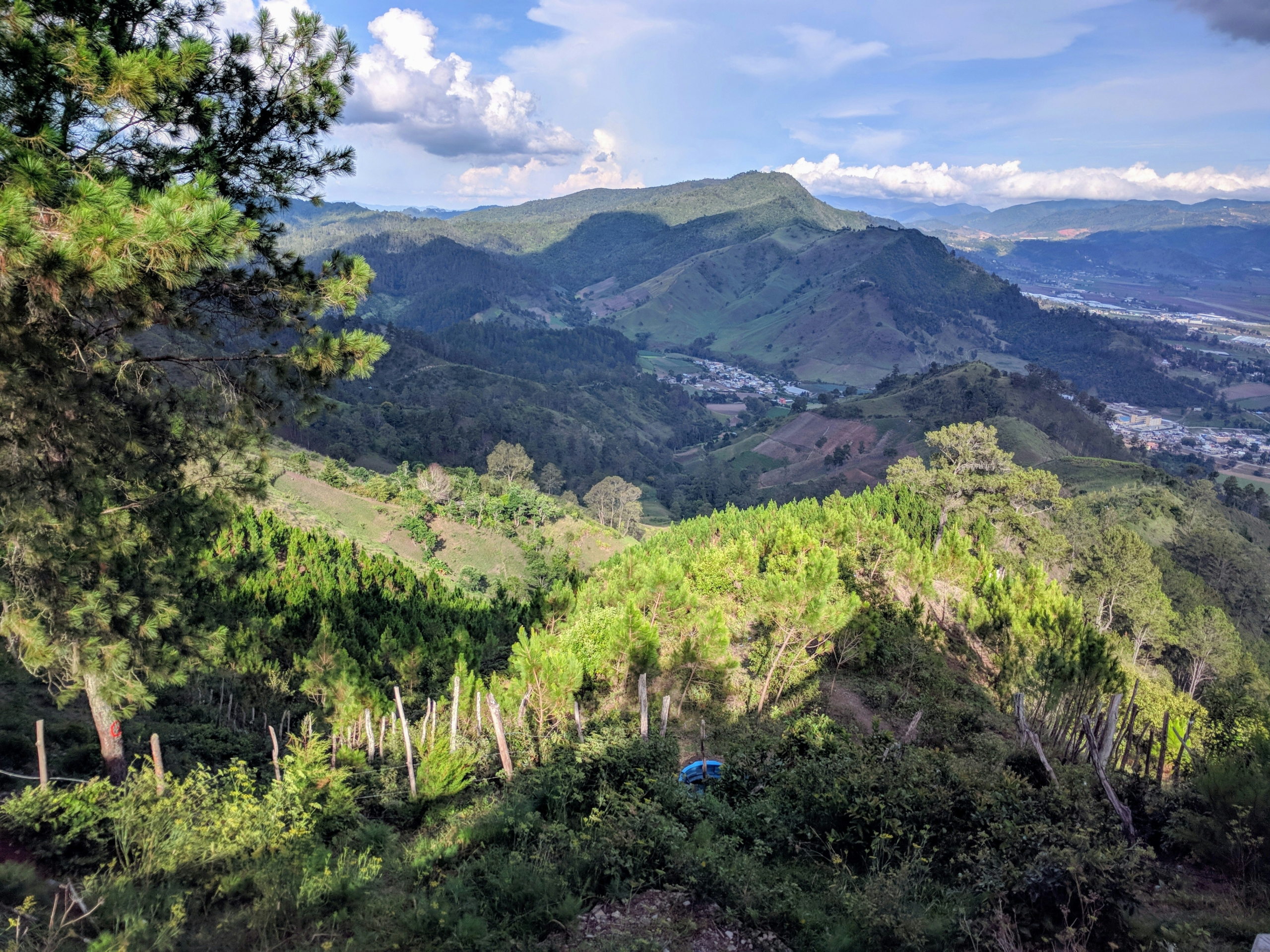
So, you’re dreaming of the Dominican Republic? Sun-drenched beaches, vibrant culture, maybe escaping the 9-to-5 grind… sounds incredible, right? But that little voice whispers, “Hold up, is it actually safe?” Forget the sugar-coated tourist brochures for a minute. Let’s talk brass tacks about what life really looks like on this slice of Caribbean paradise, especially when it comes to safety.
Yeah, the DR boasts stunning coastlines and is the Caribbean’s top tourist hotspot. But living there day-to-day is different from a week at an all-inclusive. You’ll find awesome quality of life, especially in buzzing cities like Santo Domingo or expat-friendly zones like Punta Cana and Las Terrenas. Think decent infrastructure, lively social scenes, and that addictive warm weather year-round (hovering between 68-81°F). But let’s be real: like almost anywhere, petty crime is a thing, particularly in crowded spots. Violent crime? Surprisingly, rates are lower than in many major US cities. Context is key. Rural areas? Cheaper, sure, but often with sketchier utilities and more poverty.
Wondering if North Americans fit in? Absolutely. The DR scores high for growth potential, being open for business, cultural vibes, and pure adventure. It’s a legit option. You can roll in visa-free as a tourist for 30 days (extendable to 60). Want to stick around longer? US citizens can definitely reside here.
Where’s the sweet spot to live? Depends on your jam. Punta Cana is famously secure – heavily policed, lots of gated communities, tourist-focused. Upscale Santo Domingo neighborhoods like Piantini or Naco have private security doing its job. Places like Las Terrenas, Sosúa, and Cabarete also have solid reputations, packed with expats living their best life. Want city buzz and job ops? Santo Domingo. Beach bum resort life? Punta Cana. A more local, affordable vibe? Santiago or Puerto Plata. Finding a place isn’t rocket science. Figure out your budget, use platforms like Realwing to browse properties in your target area, filter by price and type, and connect with agents. Easy.
Okay, safety and healthcare – the big ones. Look, be smart. Don’t wander alone flashing expensive gear late at night, use licensed taxis, know the local 911, and maybe learn some basic Spanish (it really helps). Avoid sketchy neighborhoods – same advice you’d follow back home. Healthcare? Public is basic; expats usually go private. It’s higher quality, faster, has modern facilities, and takes insurance. It’s accessible and good in major areas. Get your routine shots plus Hep A/B before you come, maybe Typhoid/Rabies depending on your plans. And yeah, mosquitoes carry stuff like Dengue, so repellent is your friend.
Let’s talk money. Big draw: it’s cheaper than the US or Canada. You can live comfortably – not just scrape by – on $1,000 to $1,500 a month in many areas, though Santo Domingo costs more.
What about the non-beach stuff? Education? Public system exists, but expats usually prefer private international schools offering US/UK curriculums. Good quality, modern facilities. Culture? Dominicans are generally warm, friendly, family-centric. Expect cheek kisses for greetings. Food? Get ready. La Bandera (rice, beans, meat), Mangú (mashed plantains), Sancocho (hearty stew), fresh seafood – it’s a delicious mix of Spanish, African, and Taino influences. Getting around? Cheap. Buses, minivans (guaguas), taxis, ride-shares, even motorcycle taxis (motoconchos). Driving yourself? Possible, rentals are available. Just brace for… creative driving habits and some rough roads.
The downsides? Can’t ignore ’em. The language barrier if you don’t speak Spanish. Lower local salaries. Nightmare traffic in the capital. Bureaucracy and the expectation of ‘tips’ (bribes) can be frustrating. Infrastructure isn’t always top-notch. Hurricane season (June-Nov) is a reality.
Bottom line: Is the Dominican Republic safe to live in? For the savvy, prepared expat – yes. It offers an incredible lifestyle upgrade for a fraction of the cost back home. Do your research, understand the trade-offs (like needing street smarts and patience), pick your location wisely (maybe start your search on Realwing?), and you could be living that Caribbean dream faster than you think. It’s not utopia, but it’s a damn good option if you go in with eyes wide open.


